
Mental Health Check-In: 7 Signs You May Need More Support
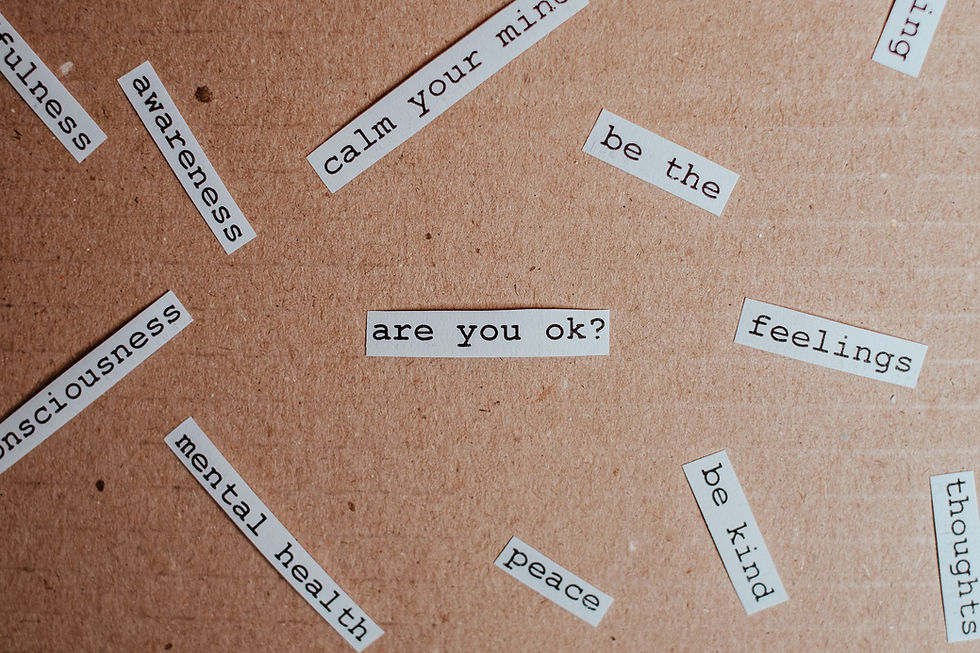
When was the last time you stopped and asked yourself, “How am I really doing?”
We regularly check on other areas of life. We check our bank accounts, calendars, work responsibilities, kids, relationships, and to-do lists. But it can be surprisingly easy to go weeks—or even months—without checking on our own mental health.
Mental health struggles don't always look like a crisis. Sometimes the signs are subtle. You may still be going to work, taking care of your family, getting things done, and appearing fine to everyone around you while realizing that something just doesn't feel right.
Here are seven signs it may be time to give your mental health a little more attention:
1. You're More Irritable Than Usual
Have little things started bothering you more than they normally would?
Maybe you're losing patience with your spouse, snapping at your kids, getting frustrated at work, or becoming angry over situations you would normally handle without much difficulty. Increased irritability can sometimes be a sign that you're carrying more stress, anxiety, frustration, or emotional exhaustion than you realize. Instead of only asking, “Why am I so irritated?” it may help to ask: “What have I been carrying lately?”
2. Your Sleep Has Changed
Sleep and mental health are closely connected. You might have difficulty falling asleep because your mind won't shut off. You may wake up during the night thinking about tomorrow's responsibilities. Or you might find yourself sleeping more than usual but still feeling exhausted. Occasional sleep problems happen to almost everyone. But when changes in sleep become a pattern—especially alongside stress, anxiety, sadness, or irritability—they're worth paying attention to.
3. You're Withdrawing From People
Sometimes when we're struggling emotionally, our instinct is to pull away.
You may stop answering texts, decline invitations, spend more time alone, or find yourself wanting to go home instead of being around people. Everyone needs time alone. But there's a difference between enjoying some downtime and consistently disconnecting from people and activities that used to matter to you. Ask yourself:
“Am I choosing some healthy time alone, or am I starting to isolate myself?”
4. You're Not Enjoying Things Like You Used To
Think about the things that normally make life enjoyable—friends, hobbies, sports, exercise, family activities, church, traveling, music, date nights, or simply relaxing.
Do they still feel enjoyable? A noticeable loss of interest or enjoyment can be an important mental health signal, particularly when it continues for several weeks or occurs alongside other changes in mood or behavior. You don't necessarily have to feel extremely sad to realize you're struggling. Sometimes it simply feels like you've lost some of your spark.
5. You Can't Stop Worrying or Overthinking
Your body may be sitting on the couch while your mind is running a marathon.
You replay conversations.
You worry about things that haven't happened.
You think about everything that could go wrong.
You second-guess decisions you've already made.
You constantly ask yourself, “What if?”
Some worry is a normal part of life. But when overthinking becomes difficult to control or begins interfering with sleep, relationships, concentration, or your ability to enjoy life, it may be time to address it.
6. Your Relationships Are Becoming More Difficult
Mental health struggles often show up in our relationships. You may notice more arguments with your spouse, less patience with your children, difficulty communicating, avoiding conversations, increased conflict, or feeling disconnected from the people closest to you. Sometimes couples assume they have a “relationship problem” when stress, anxiety, depression, burnout, unresolved hurt, or other concerns are also affecting the relationship. If several of your relationships suddenly seem more difficult, it may be worth considering what else is happening emotionally.
7. Everything Feels Overwhelming
Maybe nothing catastrophic has happened. There's just…a lot...
Work.
Kids.
Marriage.
School.
Finances.
Health.
Family.
Responsibilities.
And eventually even small things start feeling difficult. Feeling overwhelmed doesn't mean you're failing. It can simply mean that the demands you're carrying have started exceeding the emotional resources you have available. That's a good reason to seek additional support.
You Don't Have to Wait for a Crisis to Start Counseling
One of the biggest misconceptions about counseling is that something has to be seriously wrong before you talk with a counselor. It doesn't. Counseling can also be a place to slow down, understand what you're experiencing, develop healthier coping strategies, improve relationships, work through difficult transitions, and prevent smaller problems from becoming larger ones.
At MindRight Counseling & Coaching in North Richland Hills, Texas, our counselors work with children, teens, adults, couples, and families experiencing a variety of concerns, including anxiety, depression, stress, anger, relationship difficulties, ADHD, trauma, grief, life transitions, and more. Different people connect with different counselors, which is why our team includes counselors with different specialties, backgrounds, approaches, personalities, and languages.
If you've been wondering whether counseling might help, you don't have to wait until you're in crisis. Sometimes the best time to ask for support is simply when you realize:
“I'm not doing as well as I'd like to be.”
Learn more about counseling and our team at https://www.mindrightcc.com/our-team


Comments